

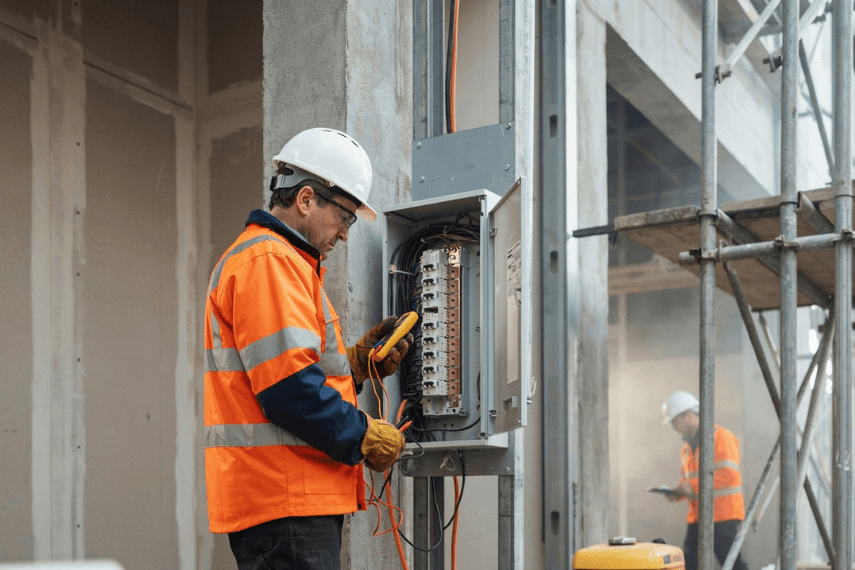
Electrical systems are essential to the daily operation of commercial properties, from offices and retail stores to warehouses and industrial facilities. However, electrical faults, damaged equipment and poorly maintained installations can create serious safety risks for employees, contractors and visitors.
Understanding electrical safety for commercial properties helps business owners identify potential hazards, maintain safer workplaces and meet their legal obligations. Whether you are managing an office renovation, planning an electrical upgrade or maintaining an existing building, following appropriate safety procedures is an important part of protecting people and property.
In Australia, commercial electrical work must be carried out by appropriately licensed professionals and comply with the applicable state or territory requirements and relevant Australian Standards. Knowing what these requirements involve can help businesses plan electrical work more effectively.
Why Is Electrical Safety Important for Commercial Properties?
Commercial buildings often contain complex electrical systems that operate lighting, computers, machinery, air conditioning and other essential equipment. When these systems are not installed or maintained correctly, they can increase the risk of electric shock, electrical fires and unexpected equipment failures.
Prioritising electrical safety offers several benefits:
Protects employees and visitors: Identifying electrical hazards helps reduce the risk of workplace injuries.
Supports business continuity: Regular maintenance can help identify developing faults before they cause unexpected disruptions.
Helps meet compliance obligations: Appropriate inspections, documentation and safe work practices support compliance with relevant requirements.
Protects electrical equipment: Correct installation and maintenance can reduce damage caused by electrical faults.
Improves worksite safety: Clear procedures help employees and contractors understand potential hazards before work begins.
Electrical safety should be treated as an ongoing responsibility rather than something to consider only when a problem occurs.
Common Electrical Hazards in Commercial Workplaces
Recognising common hazards is an important first step towards creating a safer working environment.
1. Damaged Cables and Electrical Equipment
Frayed cables, cracked plugs, exposed wiring and damaged electrical enclosures can increase the risk of electric shock and fire. Equipment showing visible damage should be taken out of service where safe to do so and assessed by a qualified professional.
2. Overloaded Power Circuits
Connecting too many devices to a circuit or using unsuitable extension leads can create excessive electrical loads. Businesses should ensure their electrical systems are suitable for the equipment being operated and have any recurring circuit problems investigated.
3. Poorly Planned Electrical Installations
Commercial renovations and new installations can introduce risks when electrical work is poorly coordinated with other trades. Cables may be damaged during construction, access to electrical equipment may be obstructed, or installations may not meet the project’s requirements.
4. Inadequate Maintenance
Electrical components can deteriorate through age, environmental conditions and regular use. Without suitable maintenance, developing faults may go unnoticed until they affect workplace safety or business operations.
5. Unsafe Work Practices
Working on energised equipment without appropriate authorisation, controls and procedures can expose workers to serious hazards. Electrical work should be planned and performed by competent, appropriately licensed personnel using suitable safety measures.
Understanding Electrical Compliance in Australia
Electrical compliance involves meeting the legal, technical and safety requirements that apply to an installation or electrical activity.
For commercial property owners and facility managers, the relevant requirements may include state or territory electrical safety legislation, workplace health and safety obligations, electrical licensing rules, building requirements and applicable Australian Standards.
AS/NZS 3000, commonly known as the Australian/New Zealand Wiring Rules, is a key standard for electrical installations. Other standards may apply depending on the equipment, workplace and type of work being undertaken.
Requirements can vary between Australian states and territories. Businesses should therefore confirm the applicable rules with the relevant regulator and their licensed electrical contractor rather than assuming that every requirement is identical nationwide.
Depending on the project, compliance activities may involve:
Ensuring electrical installation work is performed by appropriately licensed professionals.
Arranging required testing, verification and inspections.
Maintaining relevant certificates, inspection records and maintenance documentation.
Following safe isolation procedures before electrical work begins.
Addressing identified defects within appropriate timeframes.
Meeting these requirements helps demonstrate that electrical risks are being managed responsibly.
Worksite Requirements Before Electrical Work Begins
Whether a business is installing new data cabling, upgrading lighting or completing a commercial fit-out, preparation is essential.
Conduct a Site Risk Assessment
Before work starts, identify potential hazards such as exposed conductors, overhead services, restricted access, wet areas and nearby operating equipment. The assessment should consider the work being performed and the conditions at the site.
Coordinate With Other Contractors
Electrical work often takes place alongside plumbing, construction, ceiling installation and structured cabling. Coordinating schedules and responsibilities helps prevent accidental cable damage, access problems and conflicts between trades.
Establish Safe Work Procedures
Workers should understand the hazards, required controls, emergency arrangements and relevant site rules. Depending on the work, this may include documented safe work procedures and a Safe Work Method Statement (SWMS) where legally required.
Maintain Clear Access to Electrical Equipment
Switchboards, distribution boards and other electrical equipment should remain accessible for authorised operation, inspection and emergency response. Storage and construction materials should not obstruct access.
Verify the Installation Before Handover
Before a new or modified electrical installation is put into service, the required inspections, testing and verification must be completed by appropriately qualified personnel. Relevant certificates and documentation should be provided where required.
How Regular Electrical Maintenance Supports Compliance
Preventive maintenance helps businesses identify deterioration and potential hazards before they lead to more serious problems.
A suitable maintenance plan may include visual checks of accessible equipment, investigation of recurring circuit faults, inspection of switchboards where appropriate, and testing at intervals determined by the equipment, risk assessment and applicable requirements.
Businesses should also maintain records of inspections, repairs and identified defects. These records make it easier to track recurring problems and plan future upgrades.
The appropriate maintenance schedule depends on factors such as the building’s age, electrical load, operating environment and the type of equipment installed. A qualified electrical contractor can help determine the most suitable approach.
Choosing the Right Commercial Electrical Contractor
Choosing an experienced contractor is an important part of managing electrical safety for commercial properties. Look for a provider with the appropriate licences, relevant commercial project experience and a clear understanding of applicable Australian requirements.
Ask how the contractor approaches risk assessments, site coordination, testing, documentation and handover. Clear communication is especially important when work must be completed around employees, customers or ongoing business operations.
If your business is planning an electrical upgrade, a new commercial fit-out or an inspection of existing electrical infrastructure, contact Elite Cabling Solutions WA to discuss your project requirements. A professional assessment can help identify the work involved and establish an appropriate plan for your commercial property.
Frequently Asked Questions
1. What does electrical safety for commercial properties involve?
It involves identifying and managing electrical hazards, maintaining equipment, using qualified electrical professionals and following applicable safety and compliance requirements.
2. Which Australian standards apply to commercial electrical installations?
AS/NZS 3000 is a key standard for electrical installations. Other standards and legal requirements may apply depending on the installation, equipment, workplace and state or territory.
3. How often should commercial electrical systems be inspected?
There is no single inspection interval suitable for every commercial property. Frequency depends on the installation, workplace risks, equipment and applicable legal requirements. A qualified contractor can help establish an appropriate schedule.
4. Who is responsible for electrical safety in a commercial workplace?
Responsibilities may be shared between employers, persons conducting a business or undertaking (PCBUs), property managers, building owners and electrical contractors, depending on their roles and applicable legislation.
5. Can electrical work continue while a commercial building is occupied?
In some cases, yes, but it requires appropriate planning and risk controls. Depending on the work, this may involve isolating affected areas, coordinating with occupants and contractors, and controlling access to hazardous work zones.